The Caiaphas ossuary
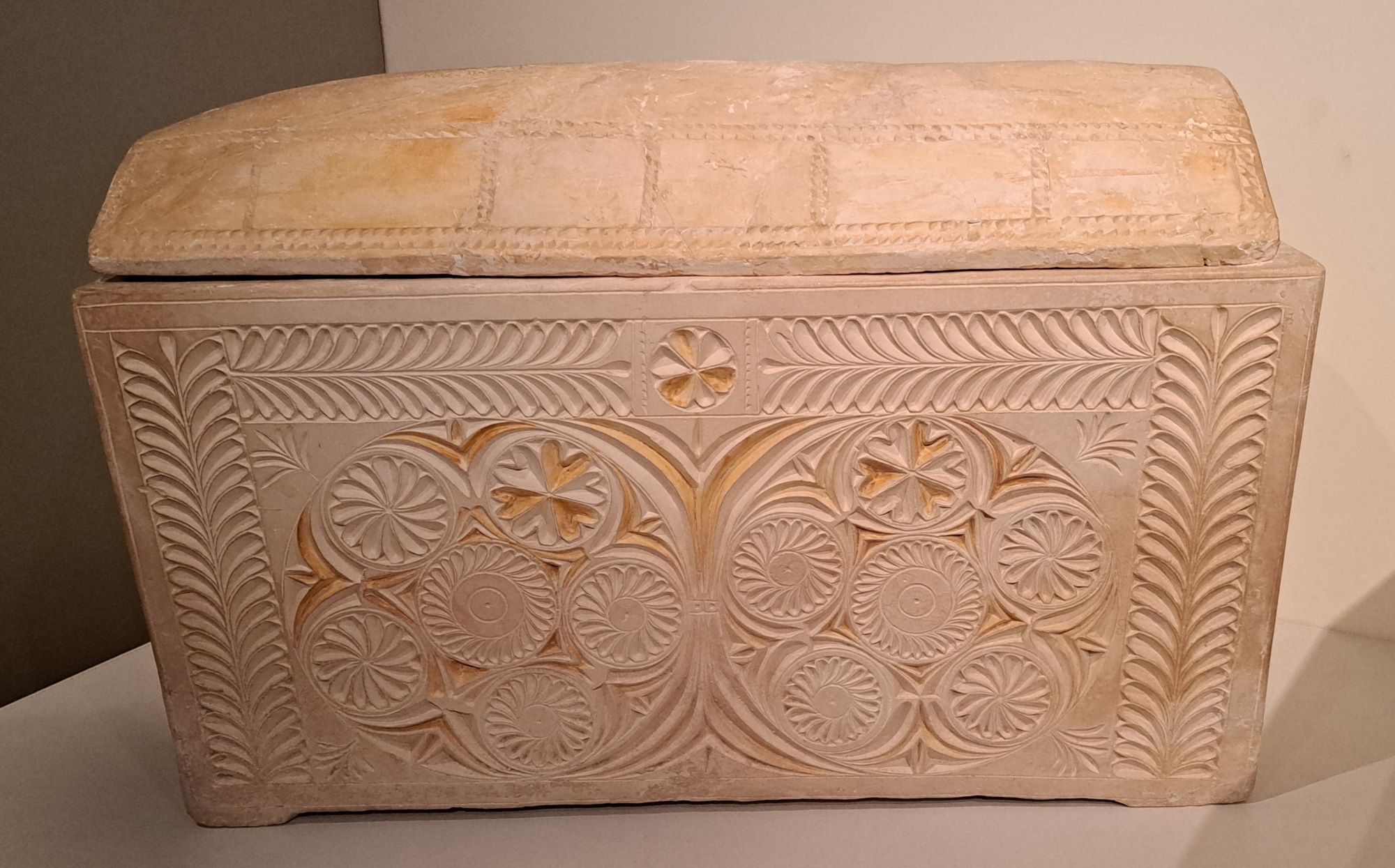
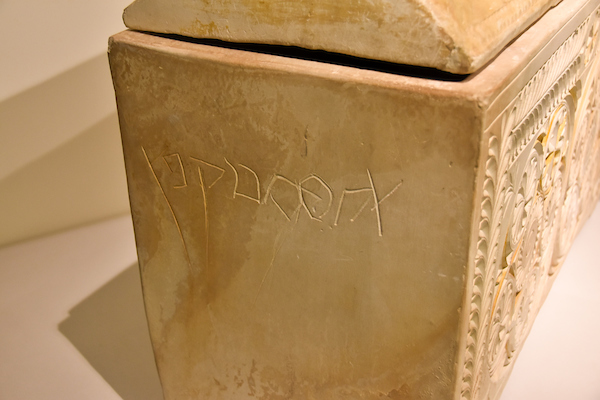
The Caiaphas ossuary is one of twelve ossuaries or bone boxes, discovered in a burial cave in south Jerusalem in December 1990, two of which featured the name "Caiaphas".
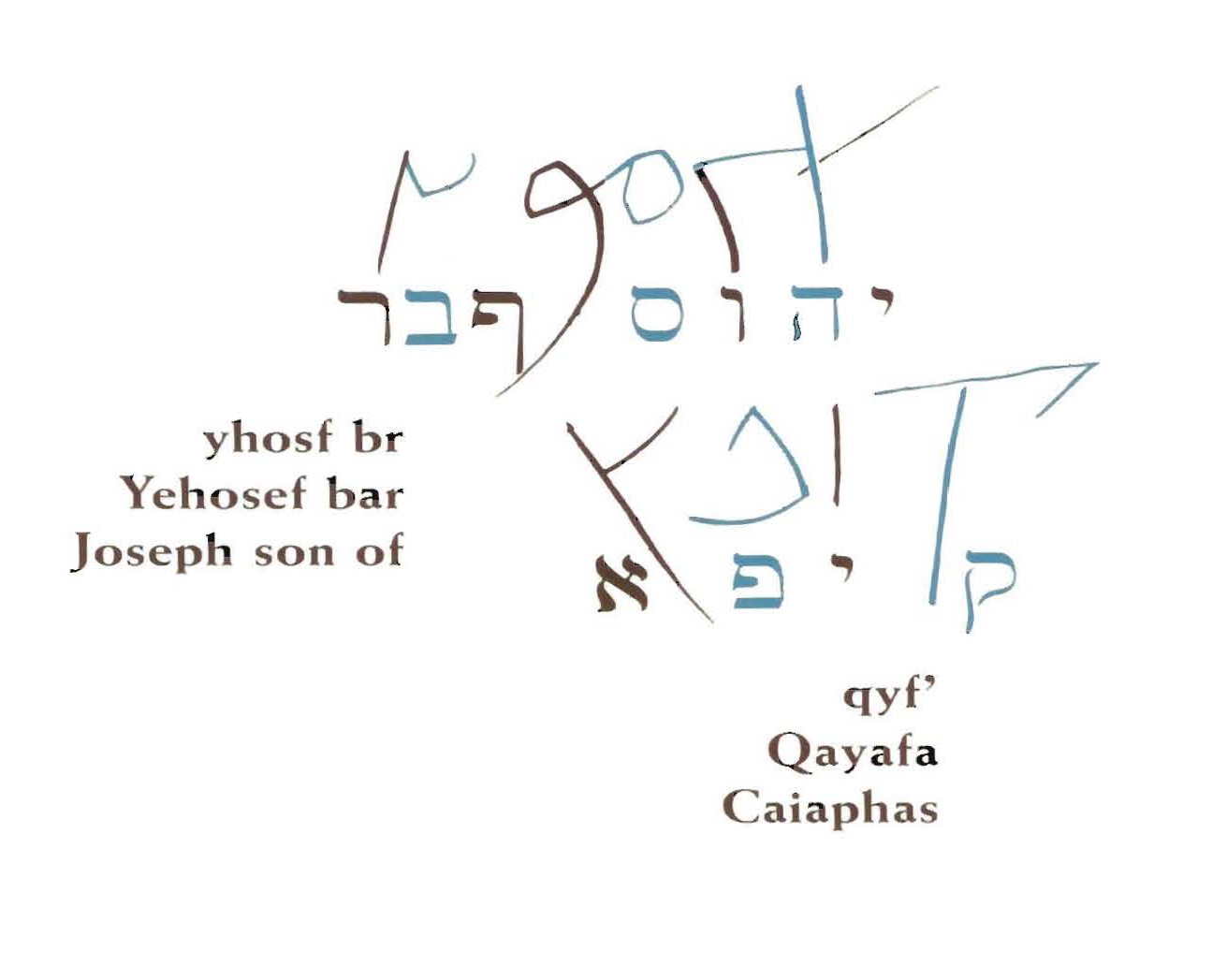
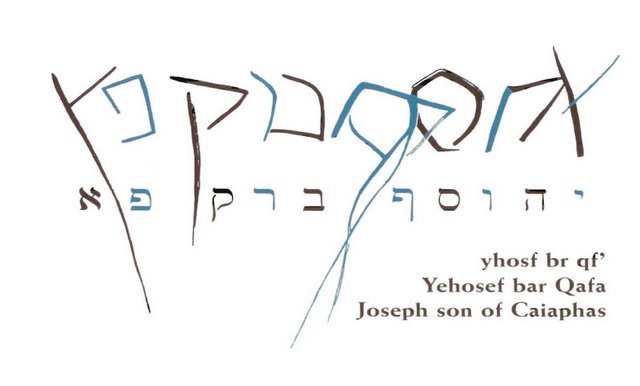
The Bone Box (ossuary) Caiaphas was discovered in 1990 by chance during earthwork on a hill south of the old city of Jerusalem. Twelve bone boxes (Ossuaries) were found in the burial cave. One, very ornate, was inscribed, in two places, “Joseph son of Caiaphas.” Inside the box, the skeletal remains of a 50-year-old male were documented. The ossuary is most likely of Caiaphas, the high priest who interrogated Jesus after the “Last Supper,” and is one of the most important finds related to both Christian and Jewish history. It is on display at the Israel Museum next to the Pilate Stone and the pierced foot of the crucified man from Jerusalem.
Caiaphas was the acting high priest during Jesus’ ministry and played a central role in the events leading to the crucifixion. As the son-in-law of Annas, a former high priest, he held significant religious and political power. The Gospels describe how, after Jesus raised Lazarus, the religious leaders feared that His growing influence might provoke Roman intervention. It was Caiaphas who argued that “it is better for one man to die for the people than for the whole nation to perish” (John 11:50). Though intended as a political calculation, this statement unintentionally pointed to a deeper truth: that Jesus’ death would serve as a sacrifice for others.
The New Testament records that Jesus was brought before Caiaphas after His arrest, where He faced false accusations and a predetermined verdict. When Jesus affirmed His identity as the Messiah and Son of God, Caiaphas accused Him of blasphemy, and the council condemned Him as deserving death. Because Jewish authorities lacked the power to carry out executions, Jesus was handed over to the Roman governor, Pontius Pilate, ultimately leading to His crucifixion.
Why did Caiaphas decide to kill Jesus at that precise moment? According to the Gospel of John the answer is the miracle of Lazarus - the resurrection of a man dead for four days was an event Caiaphas could neither ignore nor cover up. Jerusalem was in turmoil. If Jesus could give life, then Caiaphas's power over death was finished. That was the moment when the Sanhedrin met in secret. It was not a matter of Faith but of the system's pure survival. Caiaphas did not act out of fanaticism but out of cold calculation. In John 11:50 Caiaphas speaks extraordinary words it is better that one man die for the people. Caiaphas thought he was speaking about geopolitics, about sacrificing Jesus in order to avoid Roman intervention. But Catholic theology teaches us that because of his office as high priest God spoke through him without his knowing it. Caiaphas the Executioner, announced the Redemption of the world,- this is the Paradox of God using man's sin to accomplish his grace. Even the hatred of Caiaphas was bent to the plan of Salvation.
Yet, according to the Gospel accounts, this was not the end—Jesus rose from the dead three days later, fulfilling prophecy and igniting the rapid spread of Christianity.
The discovery of Caiaphas’ ossuary provides tangible, physical evidence that aligns with the biblical narrative. It reminds us that the events recorded in the Gospels are not myths removed from history, but accounts rooted in real people, real places, and real events. While archaeology cannot prove every theological claim, finds like this strengthen confidence in the reliability of Scripture. Even those who opposed Jesus most fiercely, like Caiaphas, have left behind evidence that ultimately points back to the historical reality of the Gospel story.